Built for good · Always free

Simple tools. Fewer barriers.

Daily life has enough obstacles. I build small, calm tools that help with the next difficult step, without accounts, pressure or shame.

Each one began with a problem I know myself. If it helps you too, use it. It is free.

See the toolsIndependent · practical · made with care
  • Useful before impressive
  • Private wherever practical
  • No advertising or paywalls
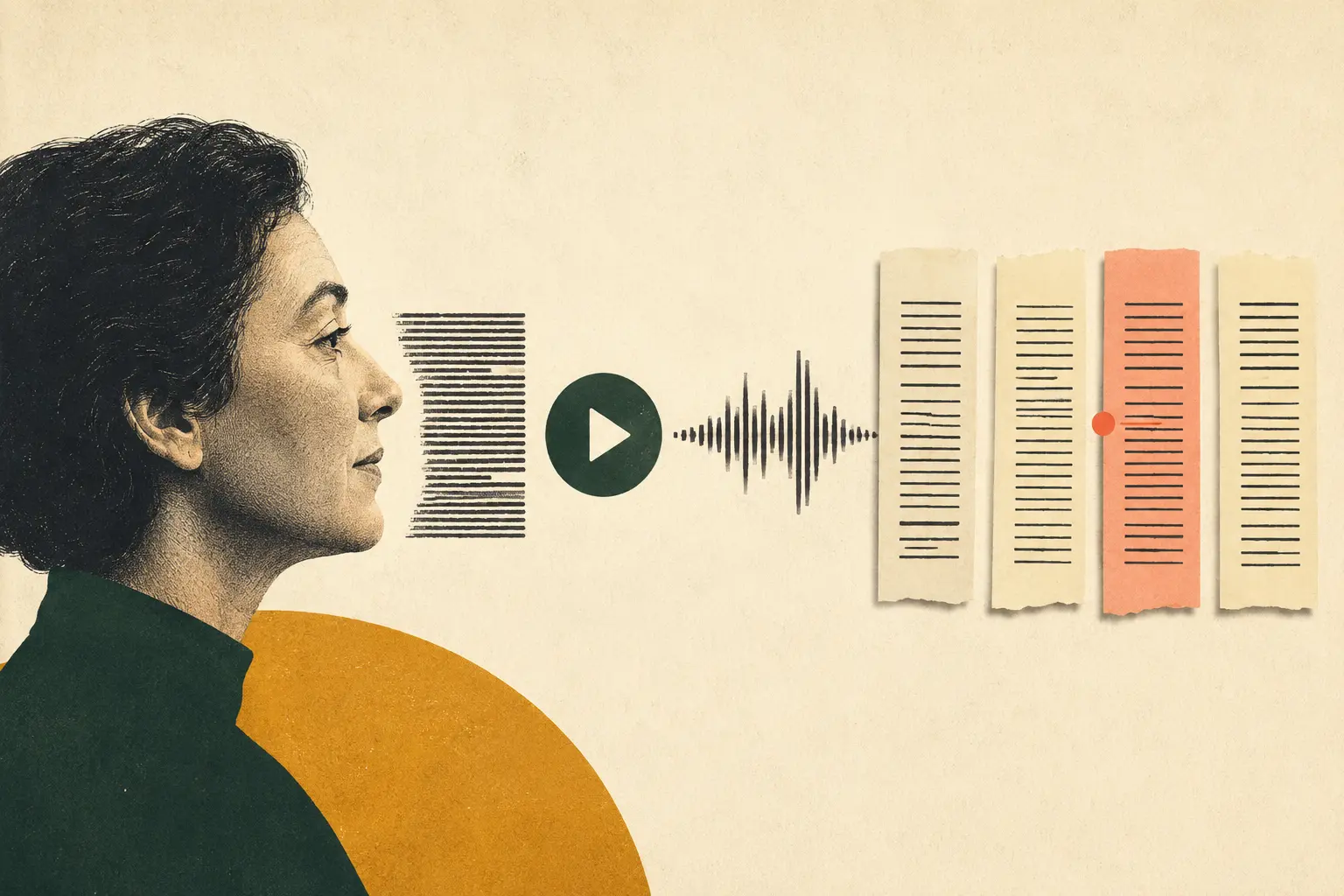
Illustration of dense lines becoming spoken audio and opening into manageable sections for a reader to follow.
The first tool grew from a real difficulty staying with long, dense text.

Seven useful starting points

Help for the next thing in front of you.

Fewer Barriers is the home they share. Each tool does one useful job, stays out of the way, and is free to use.

A reader following dense text as it becomes spoken, manageable parts.

01 Reading and focus

Read at your pace

Hear long or dense text and follow one manageable part at a time. The words stay exactly as written.

Use the reader
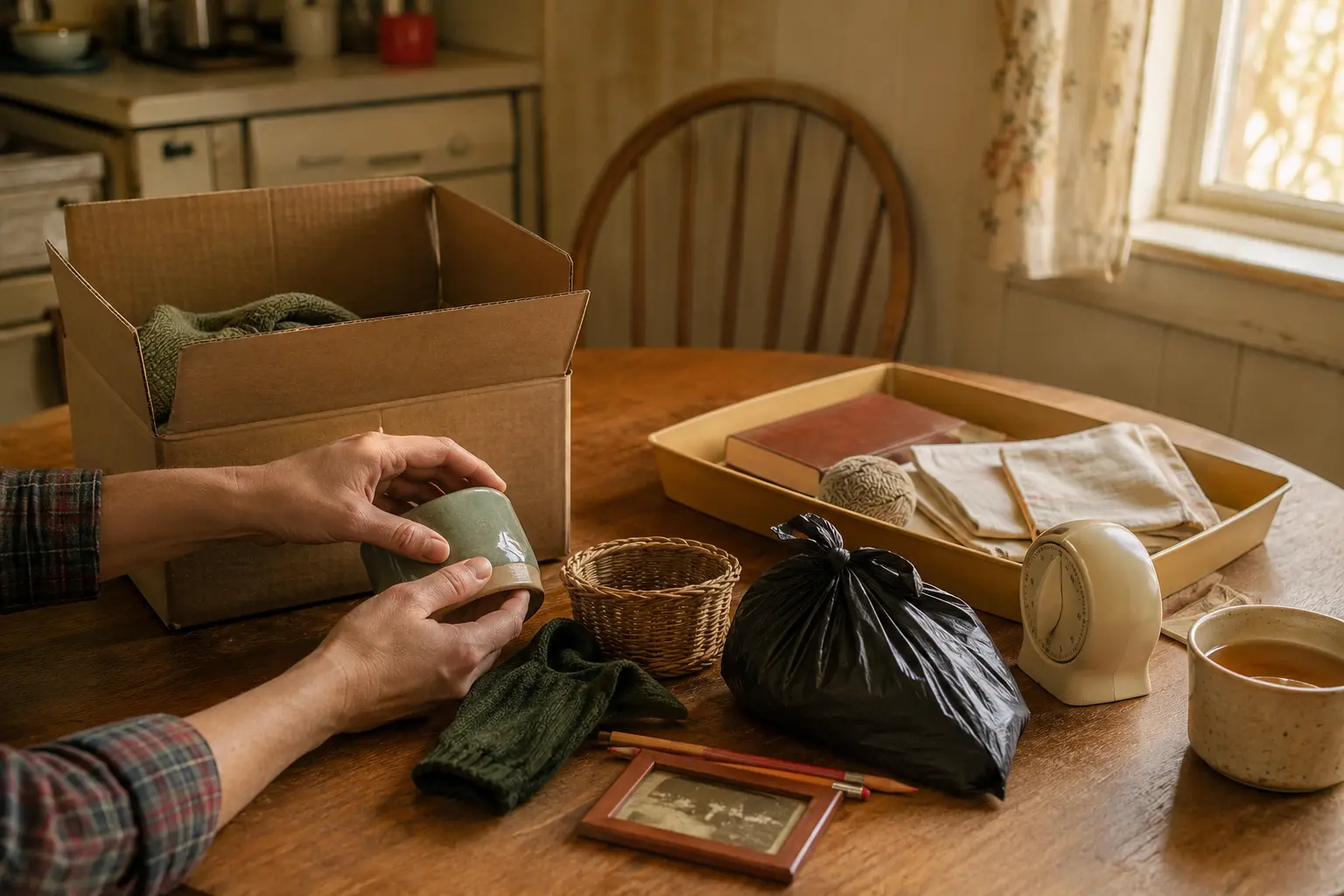
Hands calmly sorting a few household belongings at a kitchen table.

02 Everyday overwhelm

Freedom From Clutter

When every job calls at once, get one bounded task and somewhere to park the rest.

Do one useful job
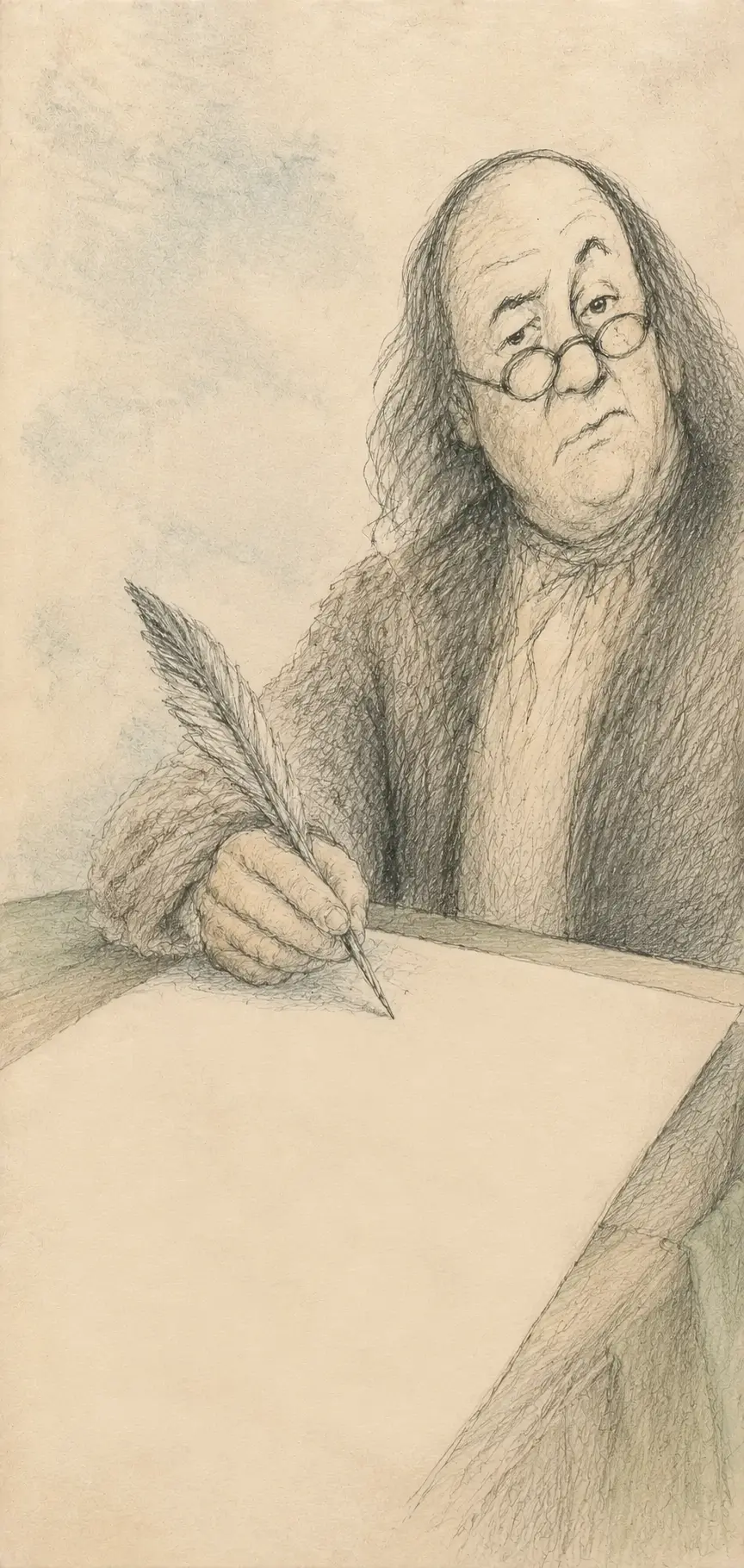
Loose pencil drawing of Benjamin Franklin holding a quill over a blank decision sheet.

03 Difficult decisions

Ben Franklin Close

Answer ten private questions and see the pattern more clearly: Yes, No or Not Yet.

Ask Ben

04 Calls and memory

Keep the Thread

Prepare the call, capture names and promises, then make a written confirmation note.

Make a call sheet

05 Instructions and memory

Step by Step

Keep the original instructions but place only one exact step in front of you at a time.

Show one step

06 Clear requests

Help Me Ask

Put the facts and the thing you need into a clear message without invented claims or advice.

Build a clear request

07 Confusing processes

Ensnarled

Describe the knot in ordinary words. Leave with a checked first step, the official source, who to contact and what to say.

Find the thread

Tool 01

Read at your pace

Paste text. Hear it aloud. Follow one manageable part at a time. The words stay the same.

Processed in this tabThis site does not upload your text.

Plain text only. Up to 50,000 characters.

Made for careful reading

Help without taking over.

Keep every word

The view changes. Your original wording does not.

Spot exact details

Dates, times, money and contact details stay in context.

Choose your view

Adjust type, spacing and colors, listen, or print large text.
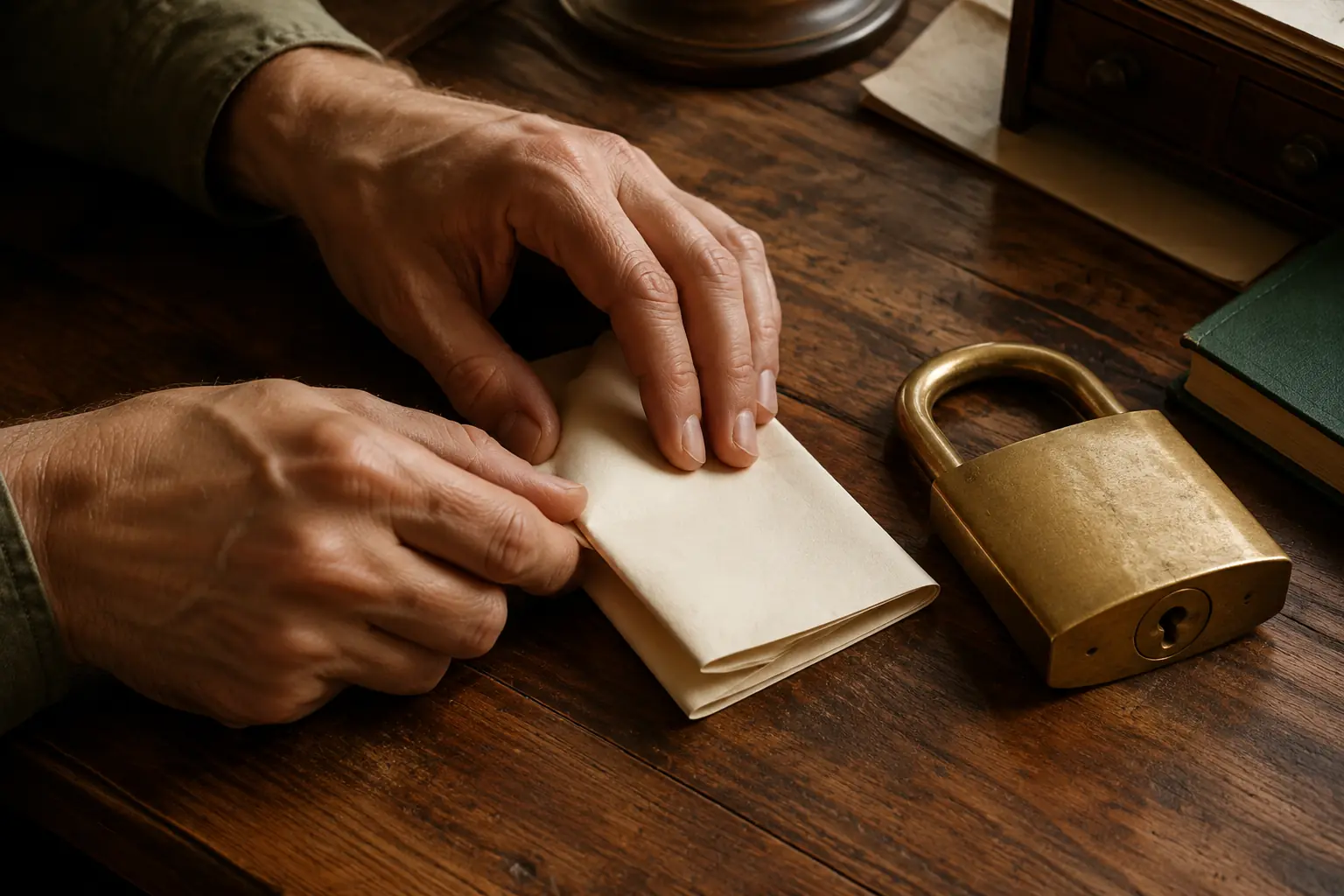
Hands protecting a private letter beside a locked padlock.
Text received by Fewer BarriersNone

Privacy is part of the tool

A private letter should not become a data trail.

There is no account, reading database, advertising, or behavioral tracking. Optional page analytics runs only with your consent and never receives pasted text. Clear the text or close the tab and it is gone from this tool.

  • The reading view does not send your text to an AI service
  • No reading history is stored
  • No analytics loads unless you allow it; no advertising cookies
Read the full privacy policy

One honest boundary

It improves the view—not the meaning.

This tool does not summarize, interpret, or give medical, legal, financial, or professional advice. If the words affect an important decision, ask a qualified person to help you understand them.

From old code to a useful tool

The old idea found a new purpose.

Fewer Barriers began years ago as a small HTML Text to Braille project. It was a piece of code that people could copy, paste and use on their own websites. It was a simple idea with a useful purpose, but over time the technology became dated.

The idea returned when I was trying to read my son’s thesis. I often find myself racing towards the end of long or dense writing without properly absorbing what I have read. I have never had much patience for books, and sometimes I need help slowing down and staying with the words.

That experience showed me what the old project could become. Instead of reviving a dated Braille converter, I built the first Fewer Barriers tool: Read at your pace.

I made it available for free because it may help other people too. It now sits beside Freedom From Clutter, Ben Franklin Close, and three smaller tools for calls, instructions, and requests. Different problems, same idea: make the next useful step easier to see.

Read how Fewer Barriers began
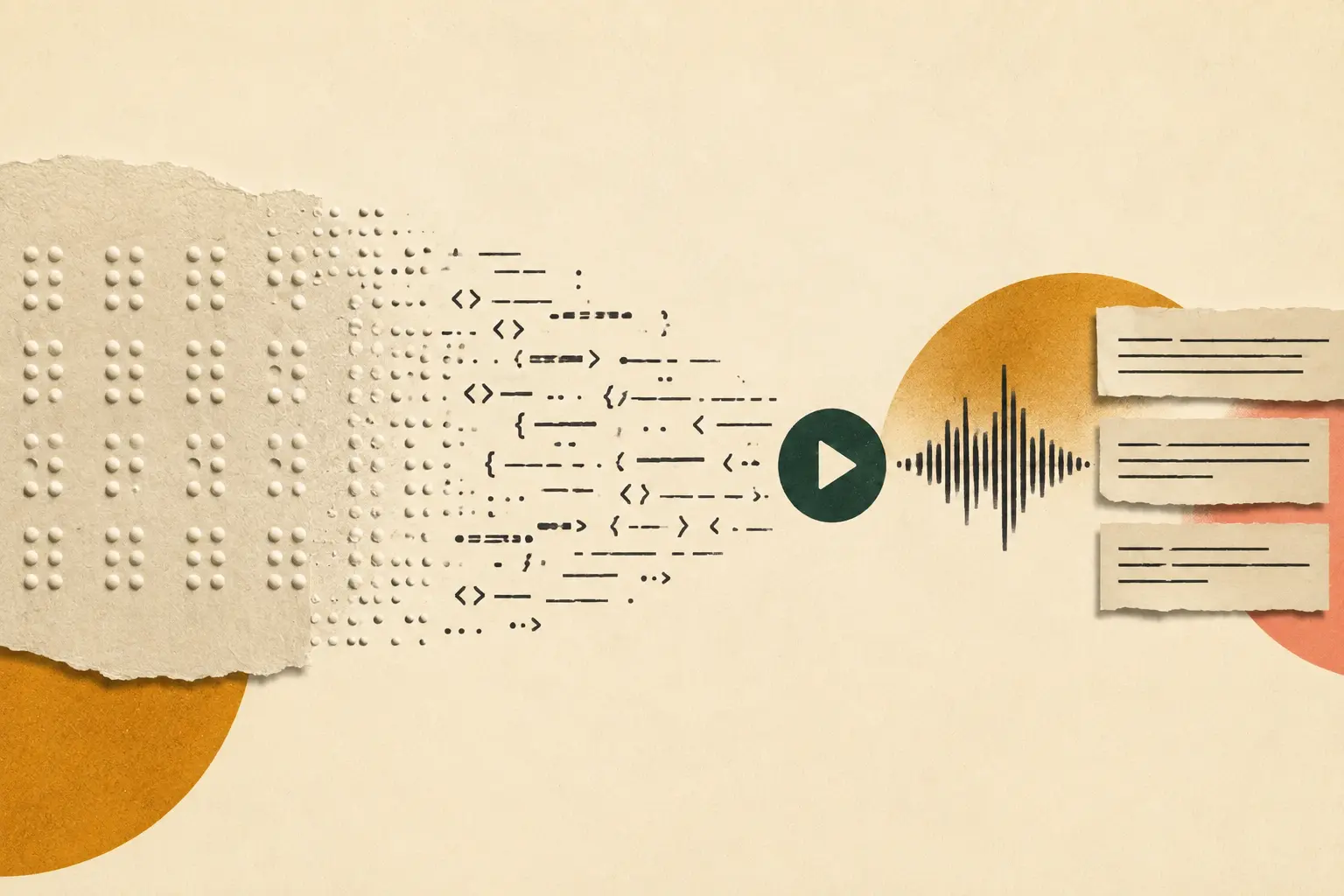
Editorial collage showing Braille and old code evolving into spoken, manageable reading parts.
Where the idea began. The current tool is not a Braille converter.
Standards, limits and privacy

The tools draw on the W3C Cognitive Accessibility Design Guide, including its guidance on focus, step-by-step instructions, task preparation, and processes that rely on memory. The reading controls also draw on the WCAG 2.2 text-spacing guidance, and the American Printing House for the Blind large-print guidance. These sources inform the design; they are not a claim of formal certification.

Read aloud uses the browser’s Web Speech API. Some devices may send spoken text to their own online voice service. Fewer Barriers does not choose or operate that service.